Annual Life Release
As we reflect on what we wish to cultivate in our lives, it is helpful to begin by noticing what we can let go of. The Buddha encouraged us to look carefully at our actions, our speech, and our minds with honesty. One of those reflections is whether our actions cause harm to other living beings.
As we move through our daily lives, we can practice mindfulness by considering the lives around us. We can ask ourselves: Am I causing harm? If so, we commit ourselves to stop repeating that action. Taking up the practice of stopping ourselves from harming others is the first step and the next step is to cultivate protection for those and all other beings.
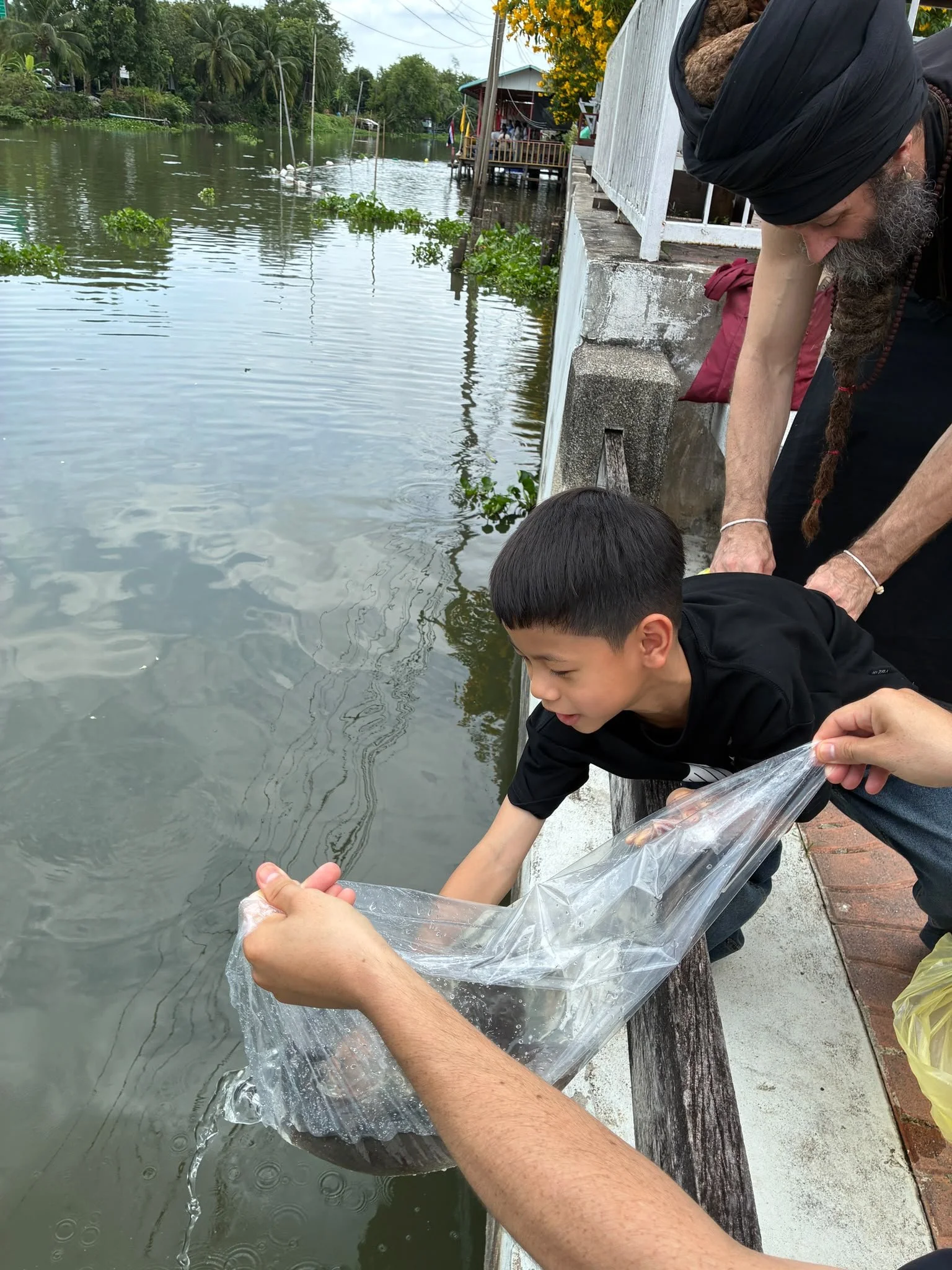
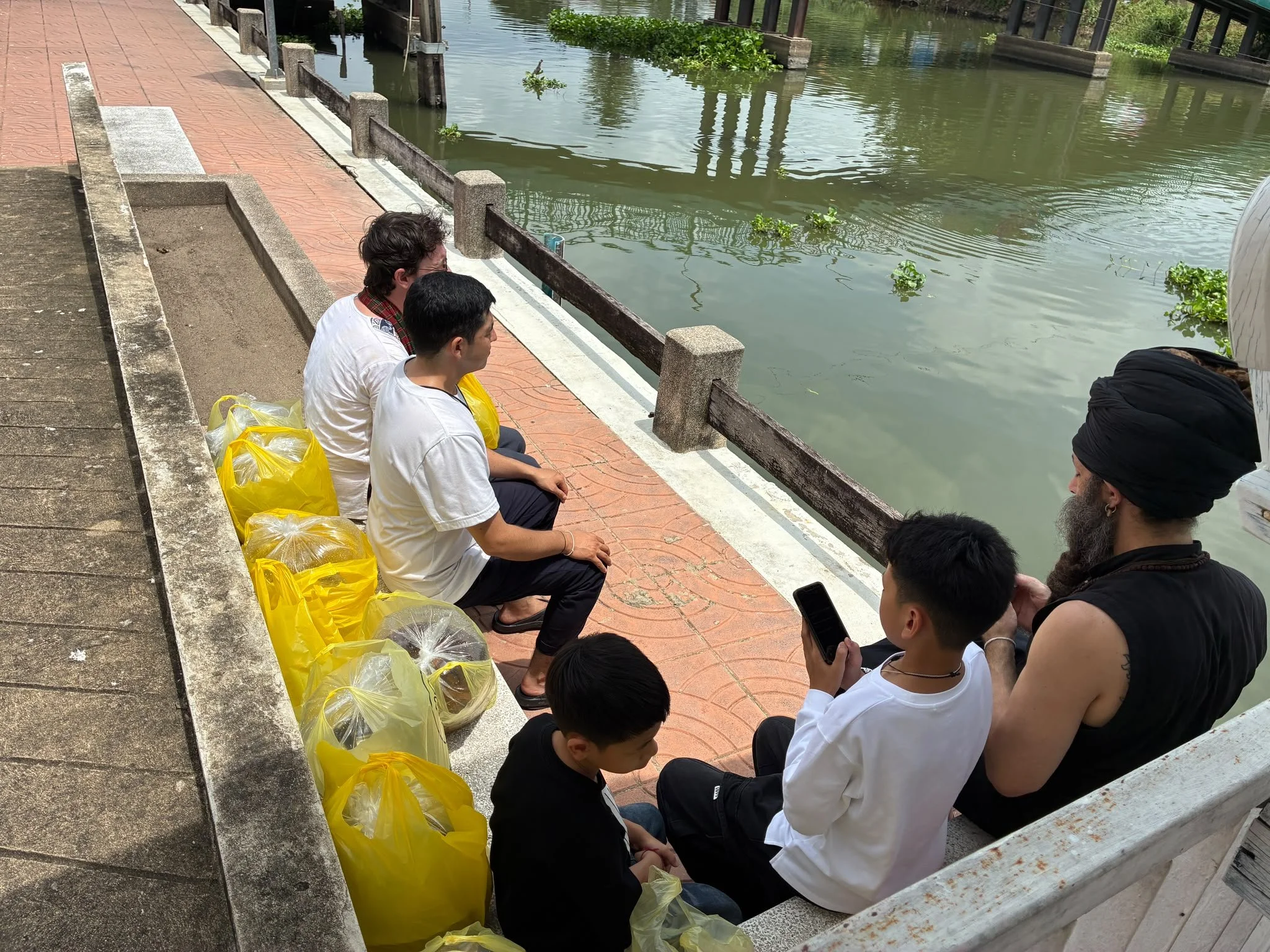
On July 29, 2026, in celebration of Āsāḷha Pūjā Triple Wisdom invited our global community to take part in the Buddhist practice of jīvadāna, or life release.
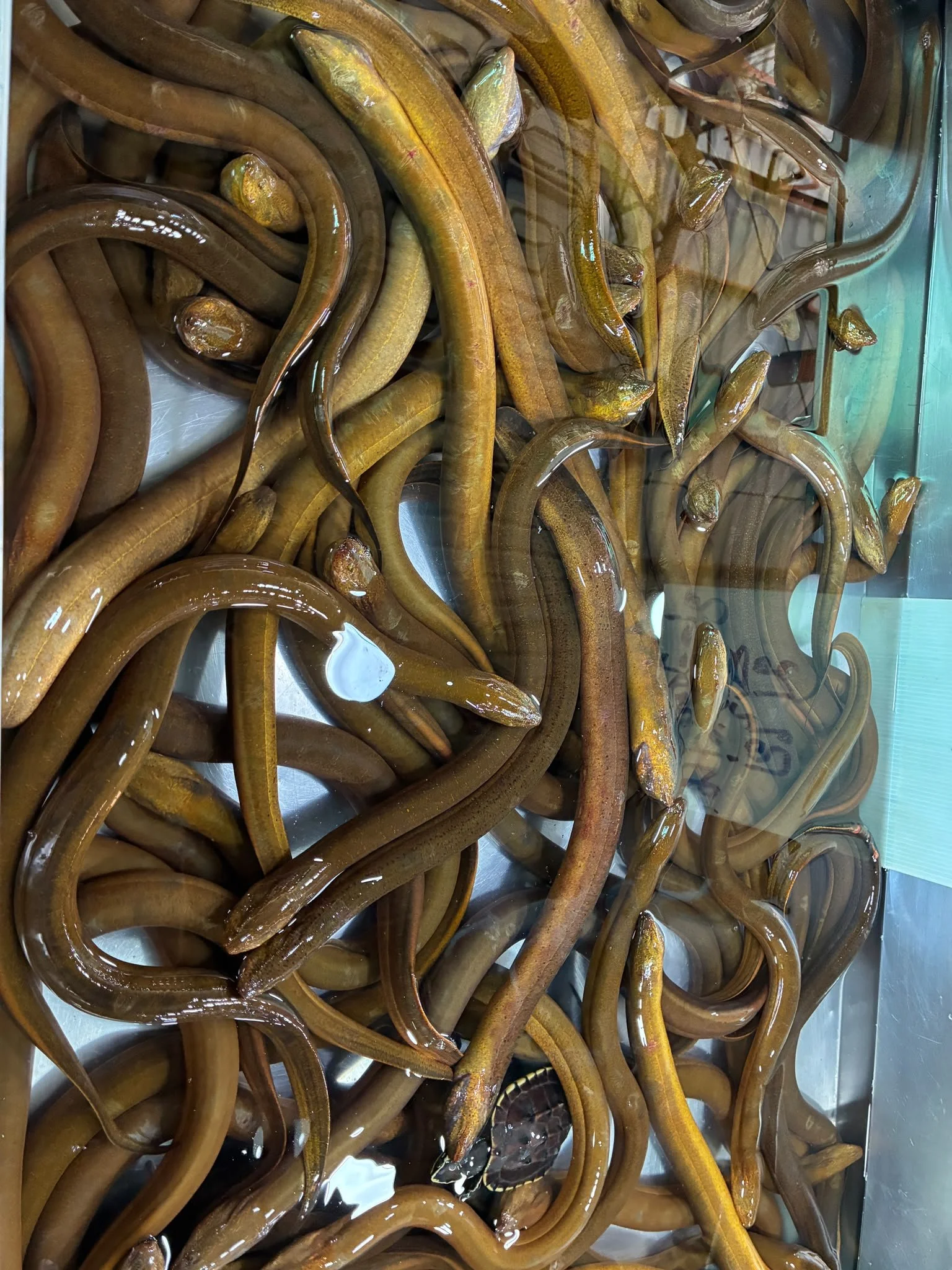
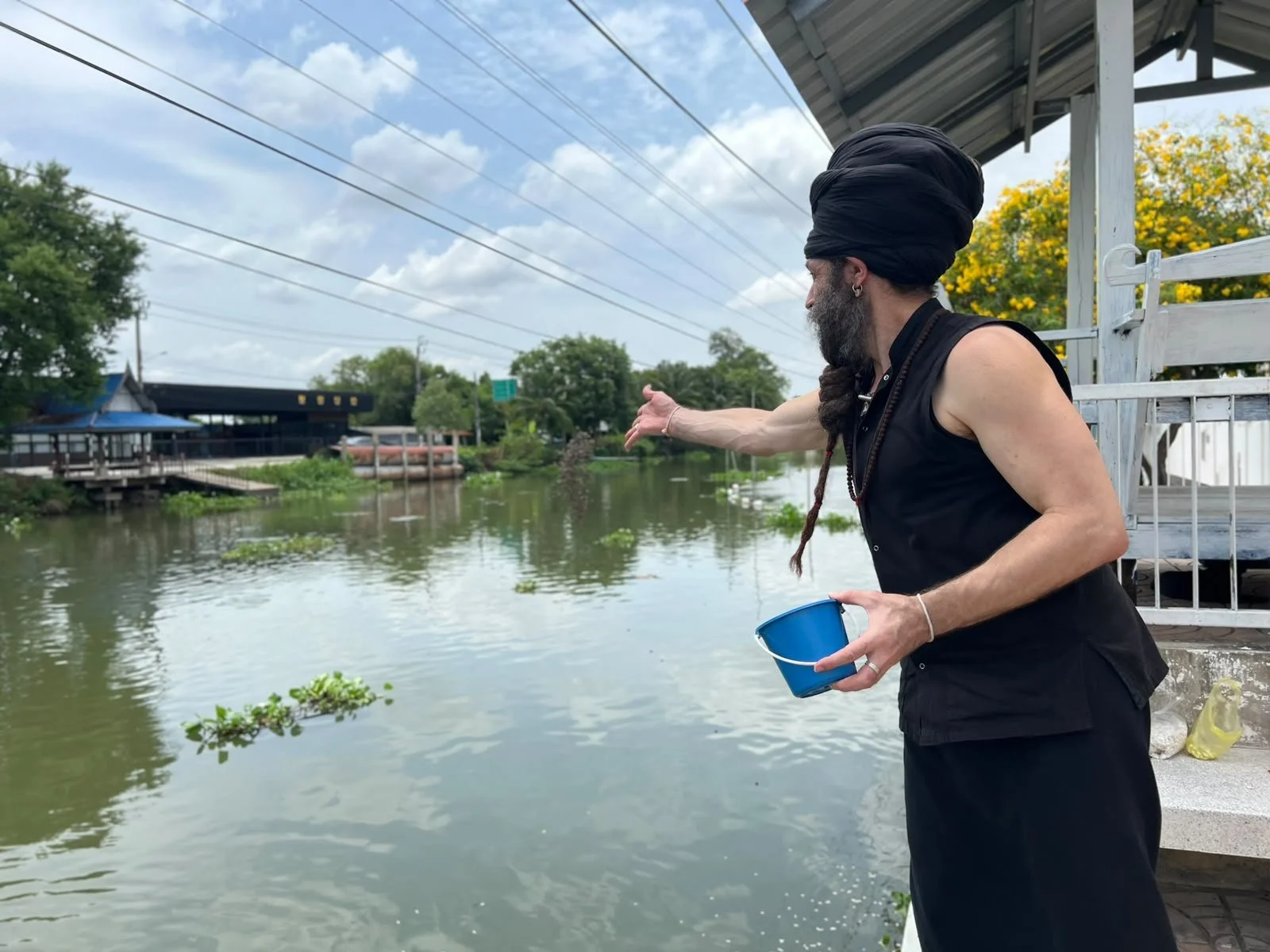

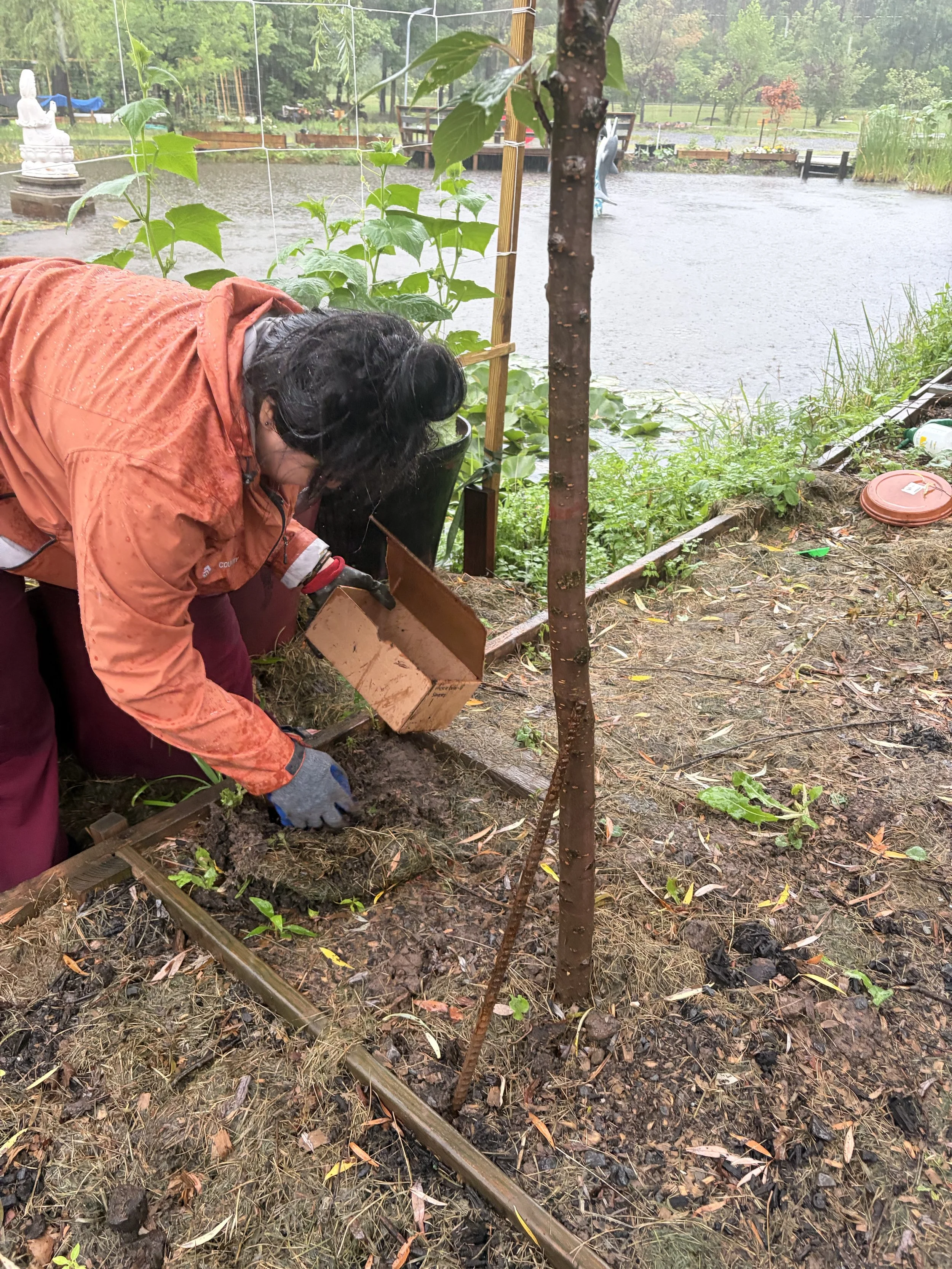
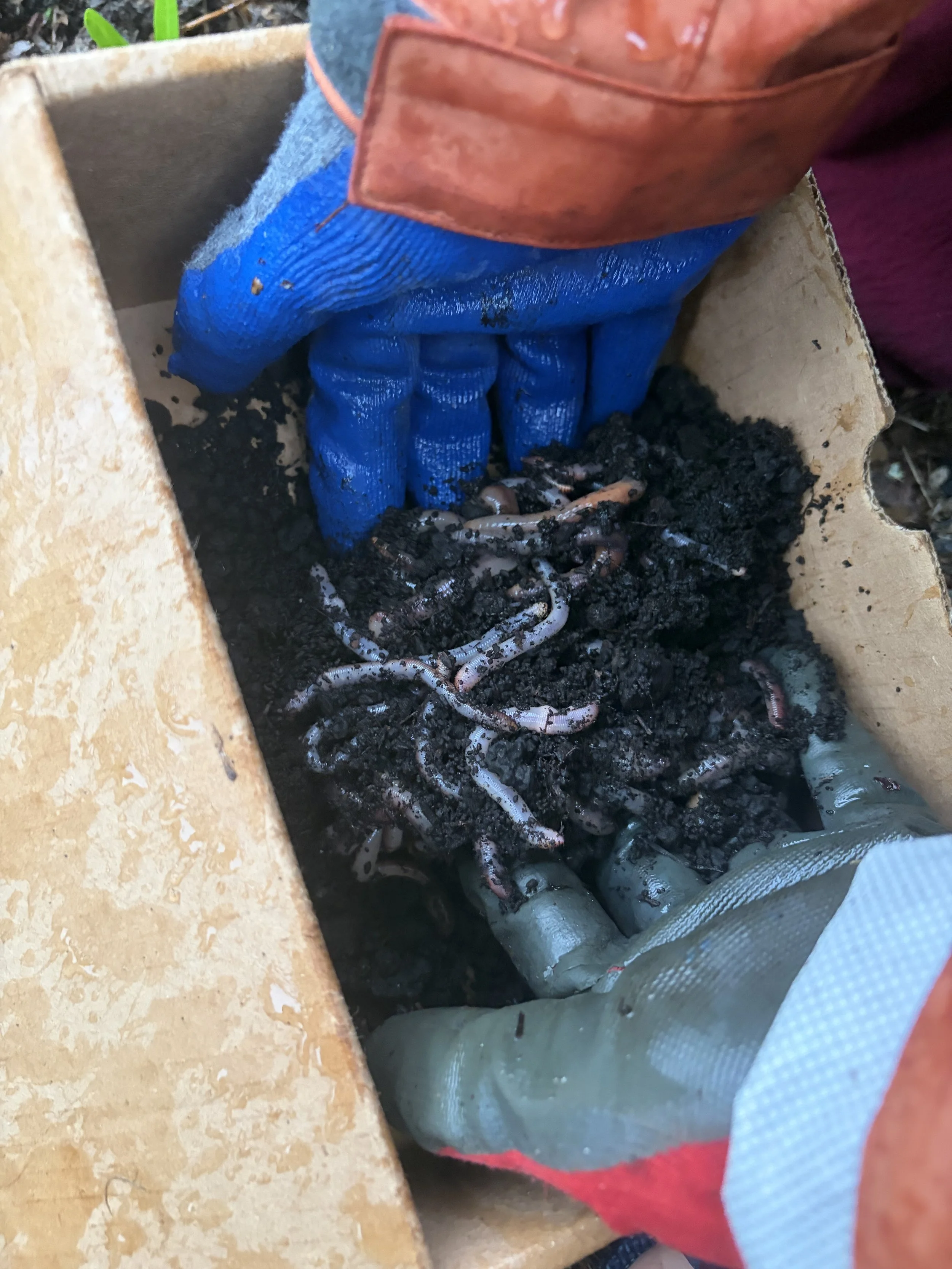
Āsāḷha Pūjā (Dhamma Day)
This holy day is on the full moon of the eighth lunar month (July 29th, 2026). It commemorates the day the Buddha gave his first teaching after attaining enlightenment, setting the Wheel of Dhamma in motion. It is an auspicious occasion, a time to honor the Buddha, the Dhamma, and our teachers, to make merit through acts of generosity, and to deepen our practice.
To read more about Āsāḷha Pūjāand the Buddha’s first teaching - please visit:
What is jīvadāna?
Jīvadāna is the ancient practice of "giving life" or "saving lives", often through acts of compassion like releasing captive animals, supporting animal welfare, or performing charitable acts of healing.

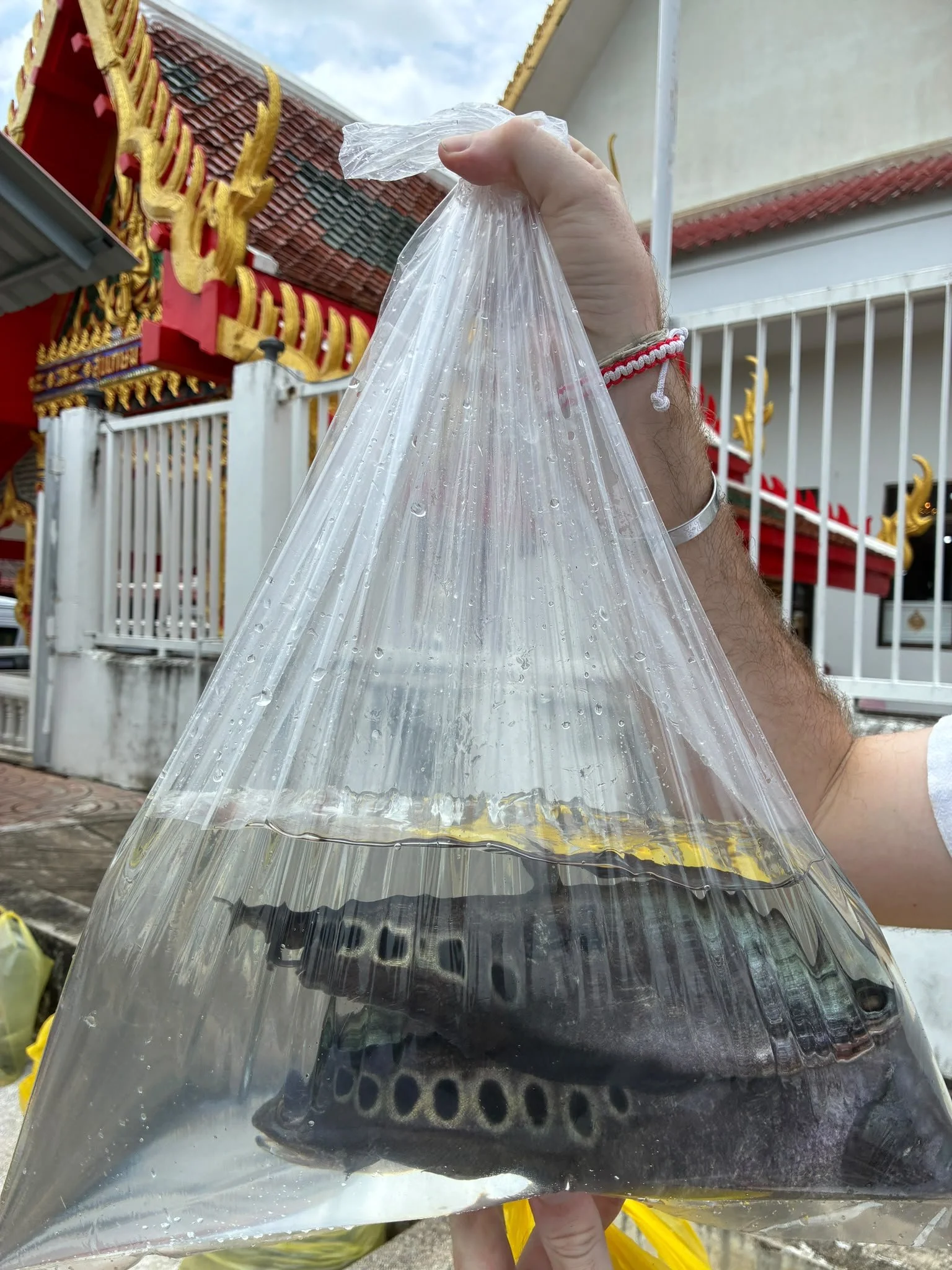
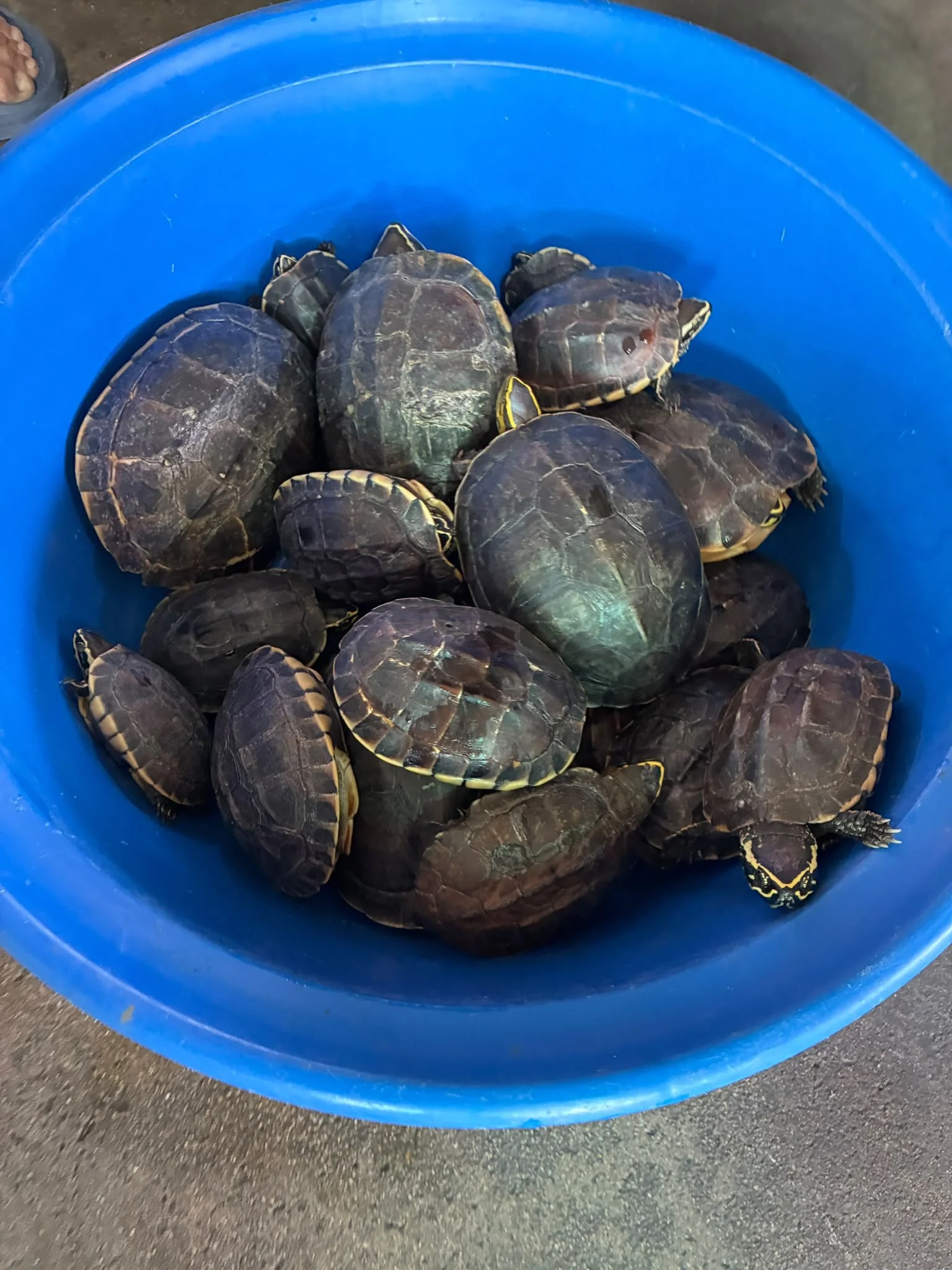
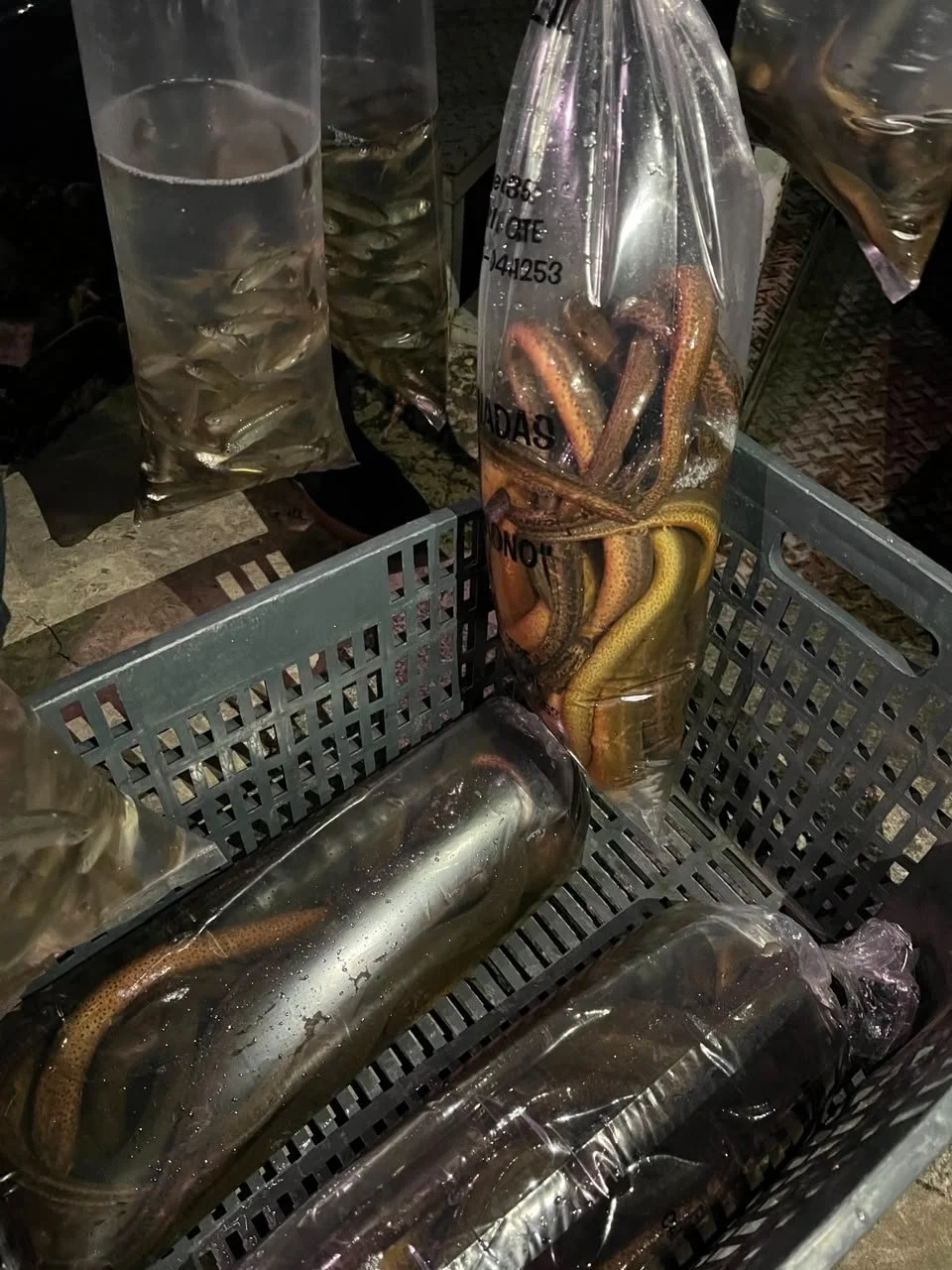
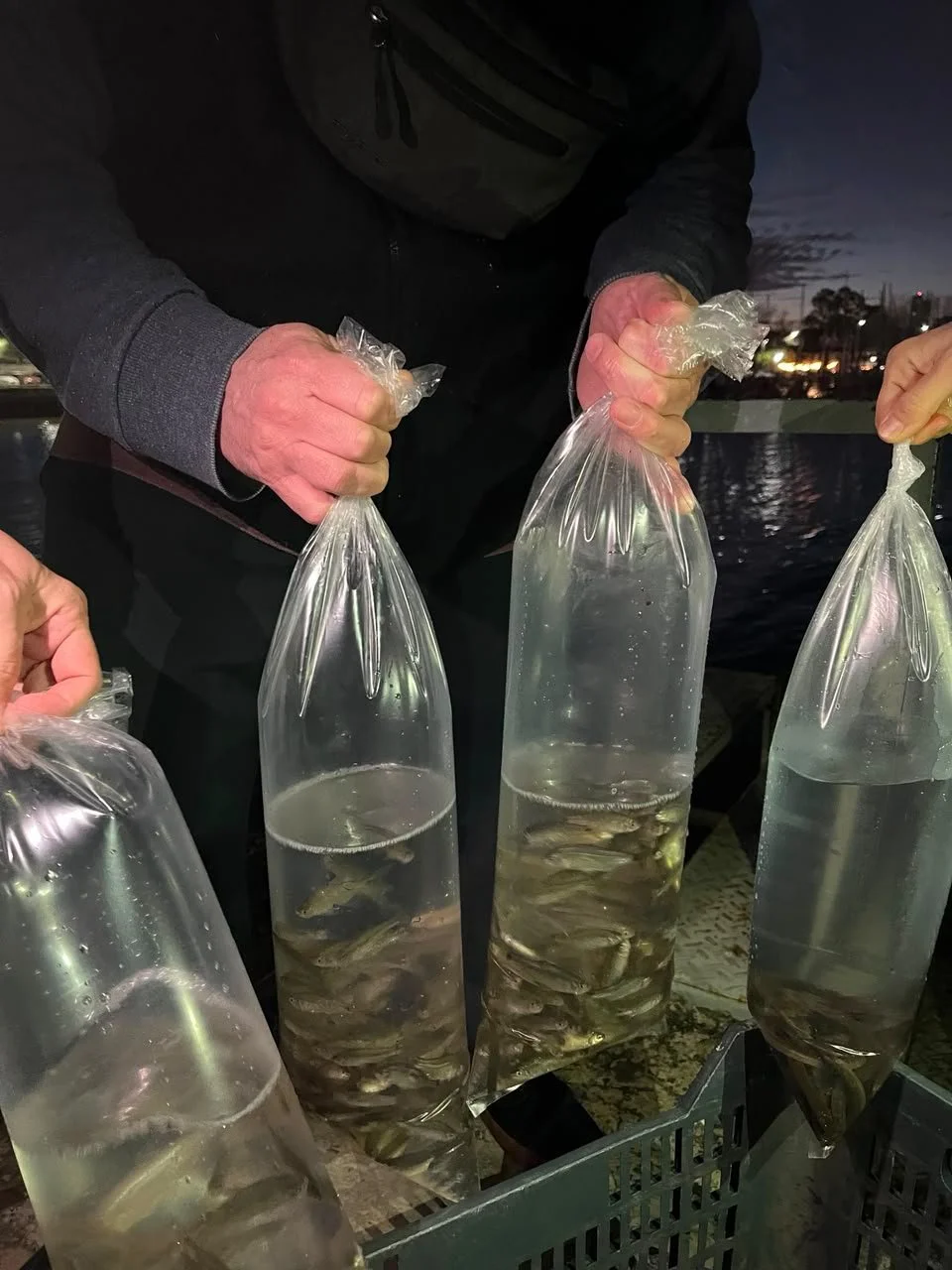
What kind of animals are freed during life release?
Here’s how you can join: Depending on where you live, research what animals are sold at live markets in your area. These are animals that are being sold alive to eat, as bait, or otherwise scheduled to die.
Things to consider while you do your research - is this animal native to your area? Where do you plan to release them? Buying live lobsters in the midwest and releasing them in a local river wouldn't be so beneficial.
TWP has done some research for different areas around the US and Latin America to give you some ideas of what conditions would be appropriate for a safe life release.

Where should I release animals in the practice of jīvadāna?
As for where to release, you want to make sure it is a place supports new or additional animal life, and is safe for the beings you’ve chosen to rescue.
If you plan to release in a public park or private place, it’s best to ask permission from those who care for the grounds. If you have land or know of a place that is a refuge for animals, make a plan in advance with plenty of time to ensure the conditions are ideal for the animals, bugs, or beings.
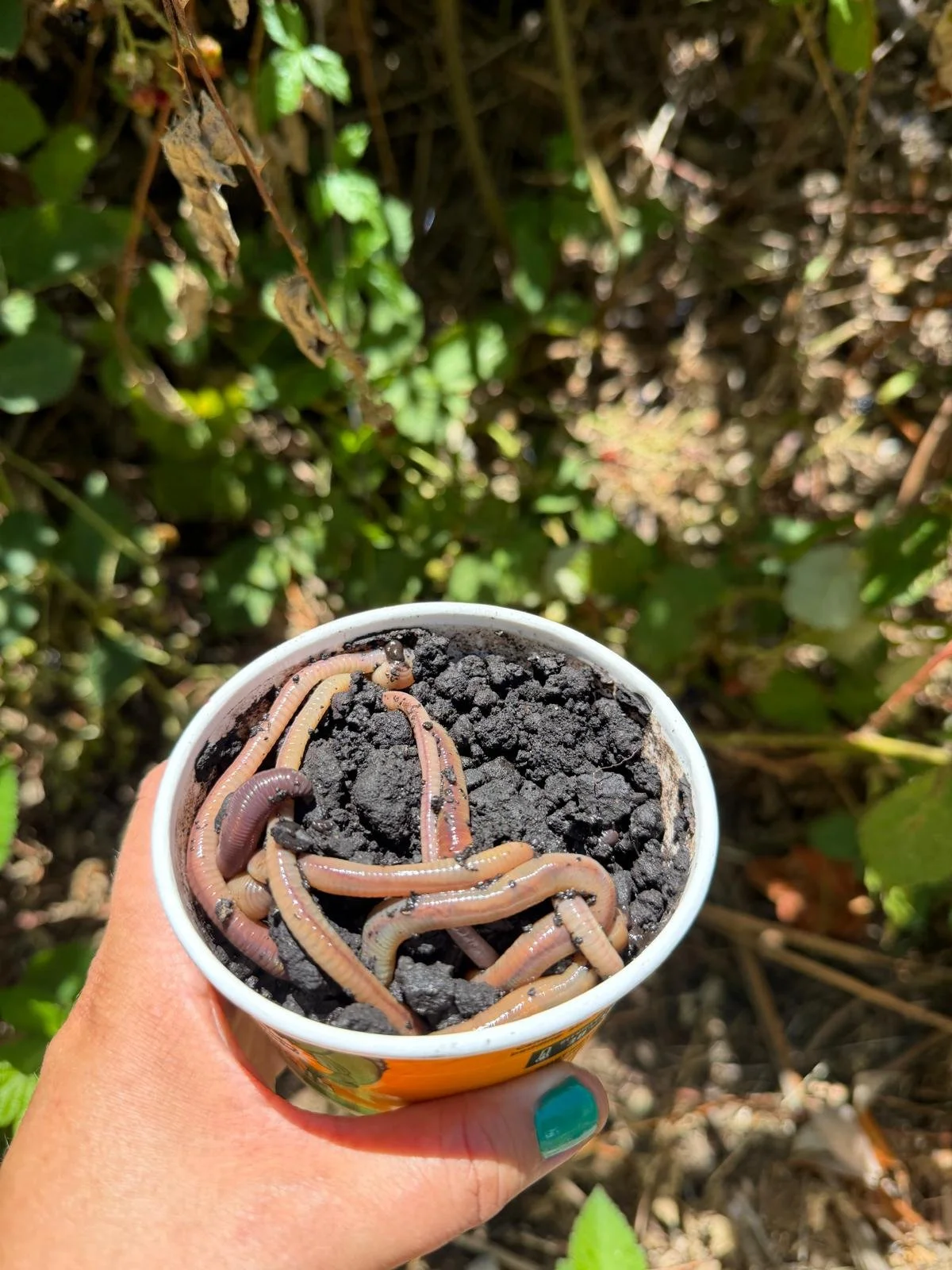
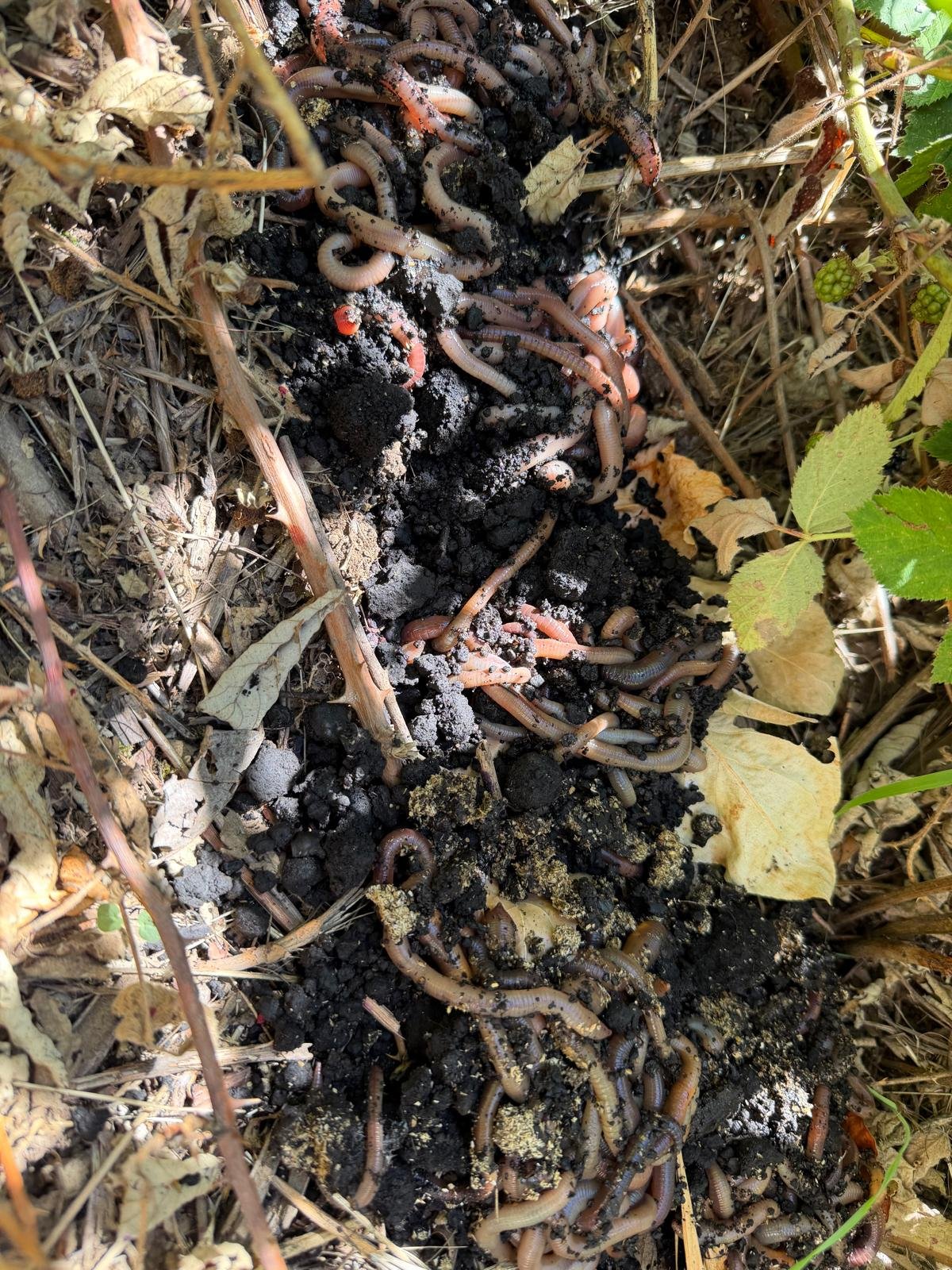
Earthworms, for example, are on most of the lists of suggested animals to release in North America — one could make a worm box that allows worms to live out their lives without being bait and these boxes are easy to maintain in one’s backyard.
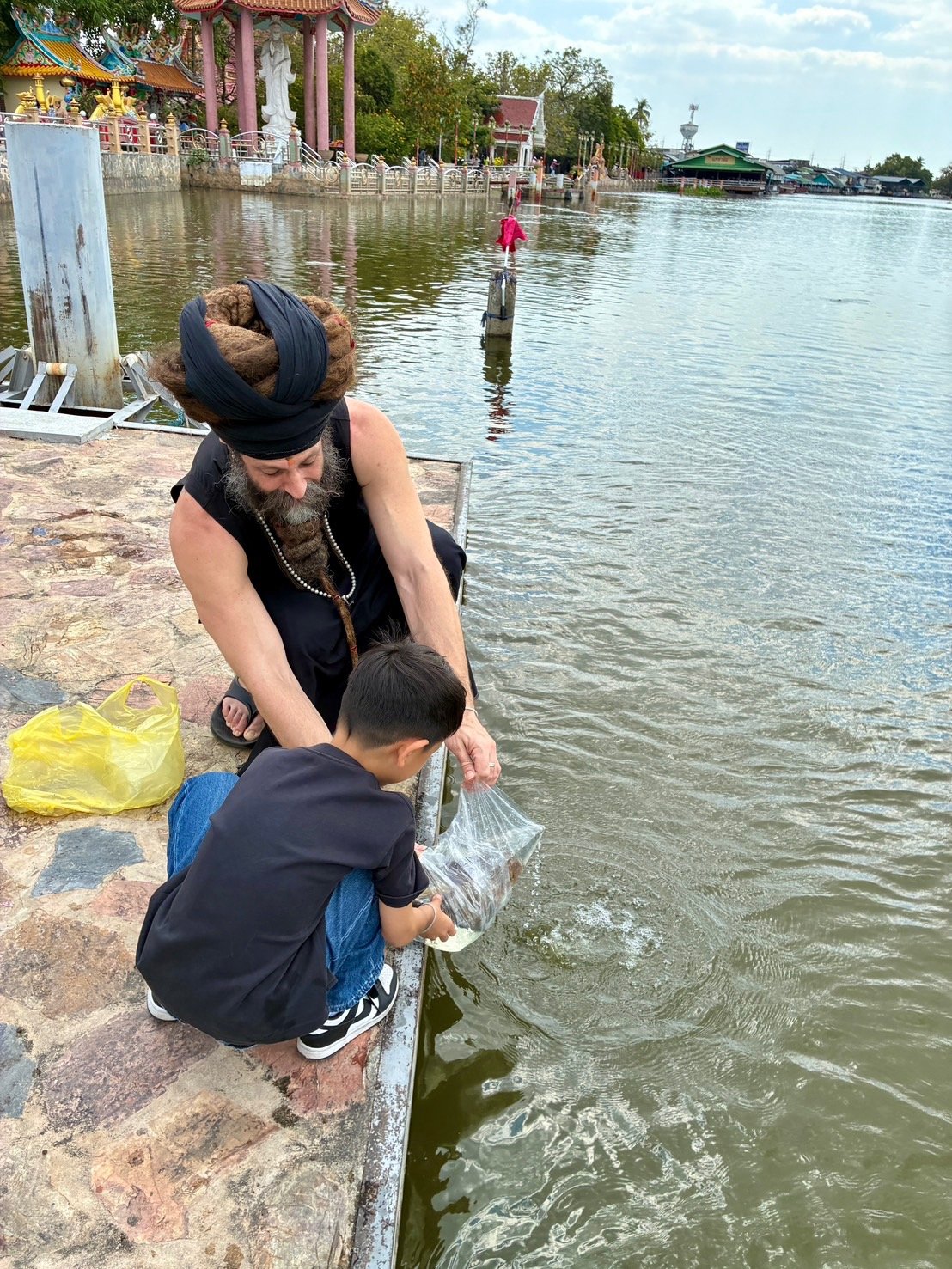
What is the process of releasing lives?
When it is time to release, the first and most important thing to consider is your intention. Whether you decide to chant or not during the release is up to you. Often, practitioners will still their mind, bring their intention towards compassion and protecting lives, and may chant some verses to support this intention.
As you go to the market to purchase the animals, as you release the animals from their travel containers, and watch them return to a natural habitat, it’s best to keep your intention to protect these lives and end the suffering of all beings in mind.
We encourage you to join us in this inaugural merit-making day with friends around the world on in 2027! We will be sharing updates in our Whatsapp Community and our monthly newsletter of those who share pictures. If you have any questions please feel free to contact us at contact@triplewisdom.info
Animals

USA
East Coast:
Lobsters
Crabs
Earthworms
Crickets
Mussels
Clams
Midwest & Pacific Northwest:
Crickets
Earth Worms
Latin America
Argentina:
Fish
Eels
Earthworms
Things to consider:
If releasing worms, it is good to keep them refrigerated until it is time to release.
For those that are unable to participate directly in life release but would like to support those that care for animals, there are many animal sanctuaries, rescues, and shelters in your area that you can support.